iPhone 18 Pro’s Variable Aperture Takes Another Bite Out of the Camera Market
· Ty Turner
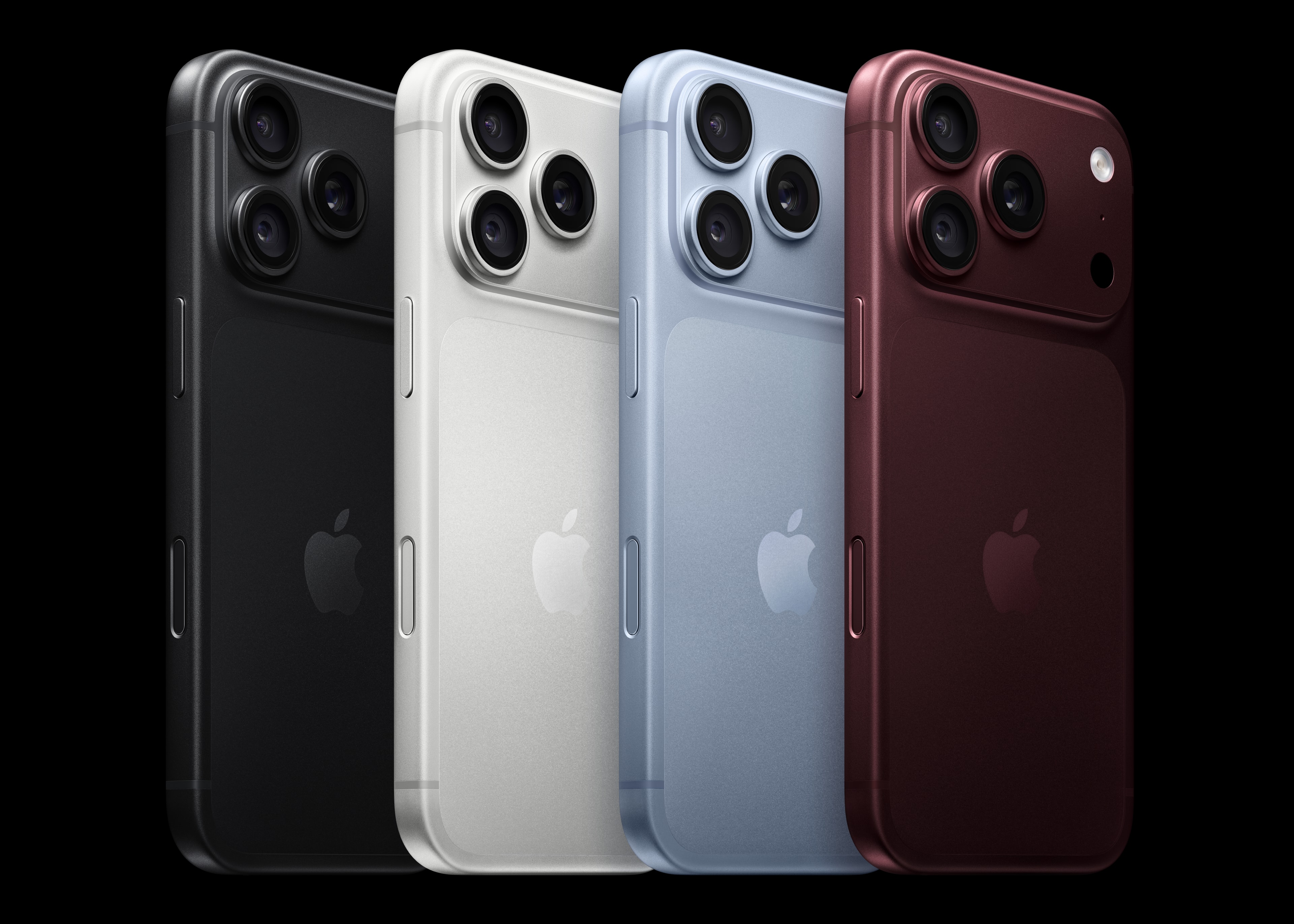
Product images: Apple Newsroom. Used here to illustrate our independent coverage of Apple’s announcement.
The camera industry has another reason to pay attention to the phone in your pocket. With physical aperture control coming to the iPhone 18 Pro, Apple is bringing another traditional camera capability into a device people already use to shoot, edit, and publish.
For photographers and filmmakers, the bigger story is what happens when more customers decide their phone is enough—and what creative professionals must offer beyond access to a camera.
What Apple actually announced
Apple announced the iPhone 18 Pro and iPhone 18 Pro Max on September 9, with availability beginning September 18. Their 48-megapixel Fusion Main camera includes a physical variable aperture driven by six blades. Apple says the Camera app offers four aperture settings; its announcement illustrates f/1.48, f/1.8, and f/4. The new Pro controls also include manual shutter speed, white balance, and a histogram.
This is an announced hardware feature, rather than a rumor about a future model. Apple attributes additional image-quality improvements to a new sensor and computational processing. Those are manufacturer claims; this article is analysis of the announcement, not a hands-on camera review. Source: Apple’s announcement — https://www.apple.com/newsroom/2026/09/apple-debuts-iphone-18-pro-and-iphone-18-pro-max/.

What variable aperture means in plain English
Aperture is the opening in a lens that controls how much light passes through. A lower f-number means a wider opening. A higher f-number means a smaller opening.
With other settings unchanged, opening the aperture lets in more light and generally reduces depth of field—the distance range that appears acceptably sharp. Closing it admits less light and generally increases depth of field. That gives a photographer another way to balance exposure and how much of a scene remains in focus. Nikon’s aperture explainer — https://www.nikonusa.com/learn-and-explore/c/tips-and-techniques/what-is-aperture.
Think of a portrait versus a group photo. For a portrait, you may want attention concentrated on one face. For a group arranged at different distances, you may need more people to appear sharp. Aperture is one tool for making that decision, alongside focus, positioning, lighting, and camera distance.
A physical aperture changes the light entering the camera during capture. That is different from applying a simulated background-blur effect afterward. Both approaches can have a place in an image-making workflow, but they are different tools.
Why this cuts deeper into the camera business
Our view: the greatest competitive pressure comes from removing reasons to buy a separate camera.
A small-business owner creating weekly product posts may not need interchangeable lenses, a large rig, or a separate editing station. They need appealing images and videos they can publish consistently. If a phone meets that standard while giving them more control, the extra purchase becomes harder to justify.
The same question applies to a creator filming tutorials, a restaurant showing a new menu item, or a service business answering customer questions. The buying decision becomes: “What would another camera let me deliver that I cannot deliver now?”
That is a serious challenge for camera manufacturers. Improving specifications alone may not convince someone whose current device already satisfies the job. The separate camera needs a clear advantage that matters to that buyer.
This is a competitive interpretation, not evidence that this announcement has already reduced camera sales. It also does not mean every category of camera faces the same pressure.
A better phone does not remove every production requirement
Variable aperture does not settle the entire phone-versus-camera question. Evaluate the complete system: lens options, exposure latitude, focus behavior, recording reliability, audio connections, handling, and the demands of the final delivery.
A quick social post and a long, unrepeatable client interview create different requirements. A wildlife assignment may depend on lens reach. A commercial may require tightly matched footage across several cameras. A live event may demand a recording setup you have tested for the full duration.
The practical question is whether a tool can reliably produce the required result under the actual conditions. An announcement cannot answer that for your business. Test the complete workflow before relying on new equipment for paid work.
What working photographers and filmmakers should do
If your pitch is mainly “I own a better camera,” improvements like this make that pitch more vulnerable.
Build your offer around decisions and outcomes a client would struggle to reproduce alone: planning the story, directing someone who is uncomfortable on camera, shaping the light, recording clear dialogue, capturing useful coverage, and delivering an edit that serves a business purpose.
For example, a local business can point a phone at its owner. Your service can turn that recording opportunity into a clear customer story: choose the right questions, find a credible example, film supporting action, and deliver a main video plus useful shorter versions.
That does not guarantee a sale. It gives the client a concrete reason to hire you beyond the equipment list.
There is also an opportunity to include phone footage intentionally. You could help a monthly content client establish a repeatable capture setup between production days, then provide direction, quality control, and editing. Define which material is suitable for self-capture and which assignments require a dedicated shoot.
The skill gap matters more as the equipment gap narrows
More accessible camera controls can give more people a starting point. They also make exposure, composition, light, sound, and storytelling worth learning.
For your next practice project, film a short business introduction using the equipment you already own. Improve the lighting, microphone placement, background, and message before changing cameras. Compare the results and identify what genuinely limits the work.
Apple’s move adds pressure to the camera industry because a familiar device is gaining another reason to stay at the center of a creator’s workflow. For creative businesses, the response is to become more valuable at the work surrounding the camera.
Bring your test, your production questions, and your client challenges to the FlashFilm Academy community — https://flashfilm.academy/. Learn how to make deliberate creative decisions—and build a service clients understand and value.
Join the conversation.
Read along, ask a question, or share your experience. Comments are open to active FlashFilm Academy members.
Loading comments…